


Gold vs Silver Jewelry: Which Matches Your Style Best?
The gold versus silver debate is one of the oldest in the world of jewelry. Both metals are timeless, both are beautiful, and both have devoted fans. But when it comes to choosing the right metal for your personal style, skin tone, wardrobe, and lifestyle, the decision is more nuanced than simply picking a favorite color. This guide breaks down everything you need to know to make the choice that's right for you — or to confidently wear both.
Understanding the Metals
Before comparing styles, it helps to understand what you're working with. Gold jewelry — particularly 18K gold — is made from a high percentage of pure gold mixed with alloy metals for durability. It comes in yellow gold, white gold, and rose gold varieties. Silver jewelry, most commonly sterling silver (92.5% pure silver), has a cooler, brighter tone and a long history in fine jewelry traditions around the world.
Both metals are precious, both require care, and both can last a lifetime when properly maintained. The differences lie in their aesthetic, their compatibility with different skin tones, and their long-term value.
Skin Tone Compatibility
One of the most practical ways to choose between gold and silver is to consider your skin tone and undertone.
Warm undertones (golden, peachy, or olive skin) tend to look most radiant with yellow gold or rose gold. The warmth of the metal complements the warmth in the skin, creating a harmonious, glowing effect.
Cool undertones (pink, red, or bluish veins visible at the wrist) are beautifully complemented by silver or white gold. The cool brightness of silver enhances the natural clarity of cool-toned skin.
Neutral undertones are the lucky ones — both gold and silver look equally stunning. If you have neutral undertones, your choice comes down entirely to personal preference and outfit coordination.
Not sure of your undertone? Look at the veins on the inside of your wrist in natural light. Blue or purple veins suggest cool undertones; green veins suggest warm undertones; a mix of both suggests neutral.
Outfit Styling: Gold vs Silver
Beyond skin tone, your wardrobe plays a significant role in which metal works best for you.
Gold jewelry pairs beautifully with warm, earthy tones — think camel, terracotta, olive green, cream, and burgundy. It adds richness and warmth to neutral outfits and elevates casual looks with a touch of luxury. Gold is also the traditional choice for formal and evening wear, lending an air of opulence to any ensemble.
Silver jewelry shines alongside cool, crisp tones — navy, white, grey, black, and icy pastels. It has a modern, minimalist quality that pairs effortlessly with contemporary fashion. Silver is also a natural fit for edgier, more avant-garde styles.
The good news? Mixing metals is no longer a fashion faux pas. Wearing gold and silver together — intentionally and thoughtfully — is a sophisticated styling choice embraced by top fashion editors and jewelry designers alike.
Maintenance and Durability
Both metals require care, but they have different maintenance needs.
Gold is highly resistant to tarnish and corrosion, making it one of the most low-maintenance precious metals. 18K gold jewelry retains its color and luster with minimal upkeep — a gentle clean with mild soap and water is usually all it needs.
Silver is more prone to tarnishing when exposed to air and moisture. Sterling silver jewelry requires regular polishing with a silver cloth to maintain its bright shine. Proper storage in an airtight container or anti-tarnish pouch significantly reduces tarnishing.
For those with an active lifestyle or those who prefer low-maintenance jewelry, gold is generally the more practical choice for everyday wear.
Investment Value
From a financial perspective, gold holds a clear advantage as a store of value. Gold prices have historically appreciated over time, and 18K gold jewelry retains intrinsic metal value regardless of fashion trends. Fine gold jewelry can be passed down through generations as both a sentimental and financial asset.
Silver, while also a precious metal, is more volatile in price and generally holds less intrinsic value per piece. However, antique or artisan silver jewelry can carry significant collector value beyond the metal itself.
If you're thinking of jewelry as an investment — both emotionally and financially — 18K gold is the stronger long-term choice.
Current Fashion Trends
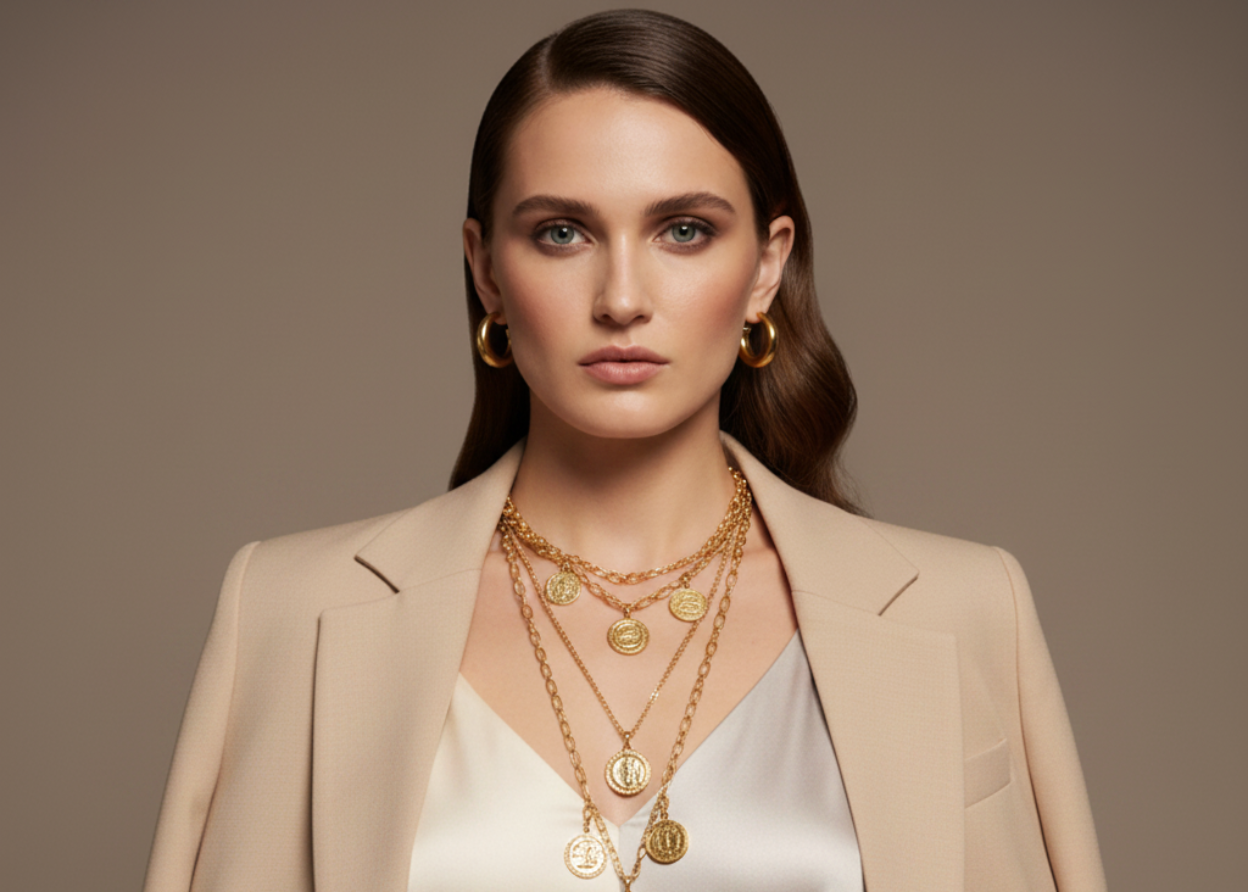
Both metals are having a major moment in contemporary fashion. Yellow gold has experienced a powerful resurgence, with chunky gold chains, layered necklaces, and bold gold hoops dominating runways and street style alike. The warmth and richness of gold feels both nostalgic and thoroughly modern.
Silver, meanwhile, is embraced by the minimalist and futuristic fashion movements. Sleek silver cuffs, sculptural silver rings, and delicate silver chains are staples of the contemporary jewelry wardrobe.
The most stylish approach? Build a collection of both and mix them intentionally based on your mood, outfit, and occasion.
Building a Timeless Jewelry Collection
Rather than choosing one metal exclusively, consider building a curated collection that includes both. Start with the essentials in your preferred metal — a pair of stud earrings, a simple chain necklace, and a classic bracelet. Then gradually add pieces in the complementary metal to give yourself more styling flexibility.
The key to a timeless collection is quality over quantity. A few beautifully crafted pieces in 18K gold or sterling silver will serve you far better than a drawer full of plated costume jewelry that tarnishes and fades.
The Verdict
There's no wrong answer in the gold versus silver debate — only the answer that's right for you. Consider your skin tone, your wardrobe, your lifestyle, and your long-term goals. And remember: the most stylish people don't follow rules. They wear what makes them feel confident, beautiful, and authentically themselves.
Ready to build your perfect jewelry collection? Explore our stunning range of 18K gold and fine silver jewelry — crafted for women who know exactly what they want. Find your metal, find your style.
Personal Style and Confidence
Ultimately, the best metal for you is the one that makes you feel most like yourself. Jewelry is deeply personal — it's an extension of your identity and a reflection of what you love. Some women feel most confident in gold; others feel most powerful in silver. And many of us feel our best wearing both.
Don't let rules or trends dictate your choice. If you love the warmth of gold but have cool undertones, wear it anyway if it brings you joy. If silver speaks to your soul, that's reason enough. Fashion and style are about self-expression, and the most beautiful jewelry is the piece you can't wait to put on each morning.
Caring for Your Collection
Once you've chosen your metals, proper care ensures they remain beautiful for years to come. Store gold and silver separately to prevent scratching — use soft pouches or lined jewelry boxes. Keep both metals away from harsh chemicals, perfumes, and lotions that can dull their shine. For gold, a simple wipe with a soft cloth is usually sufficient. For silver, invest in a quality silver polishing cloth and consider using anti-tarnish strips in your storage containers.
Regular cleaning keeps both metals looking their best. A gentle soak in warm water with a drop of mild dish soap, followed by a soft dry cloth, works wonders for both gold and silver pieces. For intricate designs or heavily tarnished silver, professional cleaning ensures your jewelry receives expert care without damage.
Mixing Metals with Confidence
The modern approach to jewelry styling embraces metal mixing as an art form. Pairing a gold necklace with silver earrings, or layering gold and silver chains together, creates visual interest and depth. The key is intentionality — choose pieces that complement each other in style and proportion rather than appearing accidental. A delicate gold chain pairs beautifully with a chunky silver cuff; a statement gold ring looks striking next to silver stud earrings.
This approach gives you maximum flexibility with your wardrobe and allows you to wear your favorite pieces regardless of metal type. It's also a practical solution if you love both metals equally and can't bear to choose just one.
Read more
How to Choose Earrings That Flatter Your Face Shape
Find the most flattering earring styles for your face shape with this complete guide covering round, oval, square, heart, and long face shapes.
Read more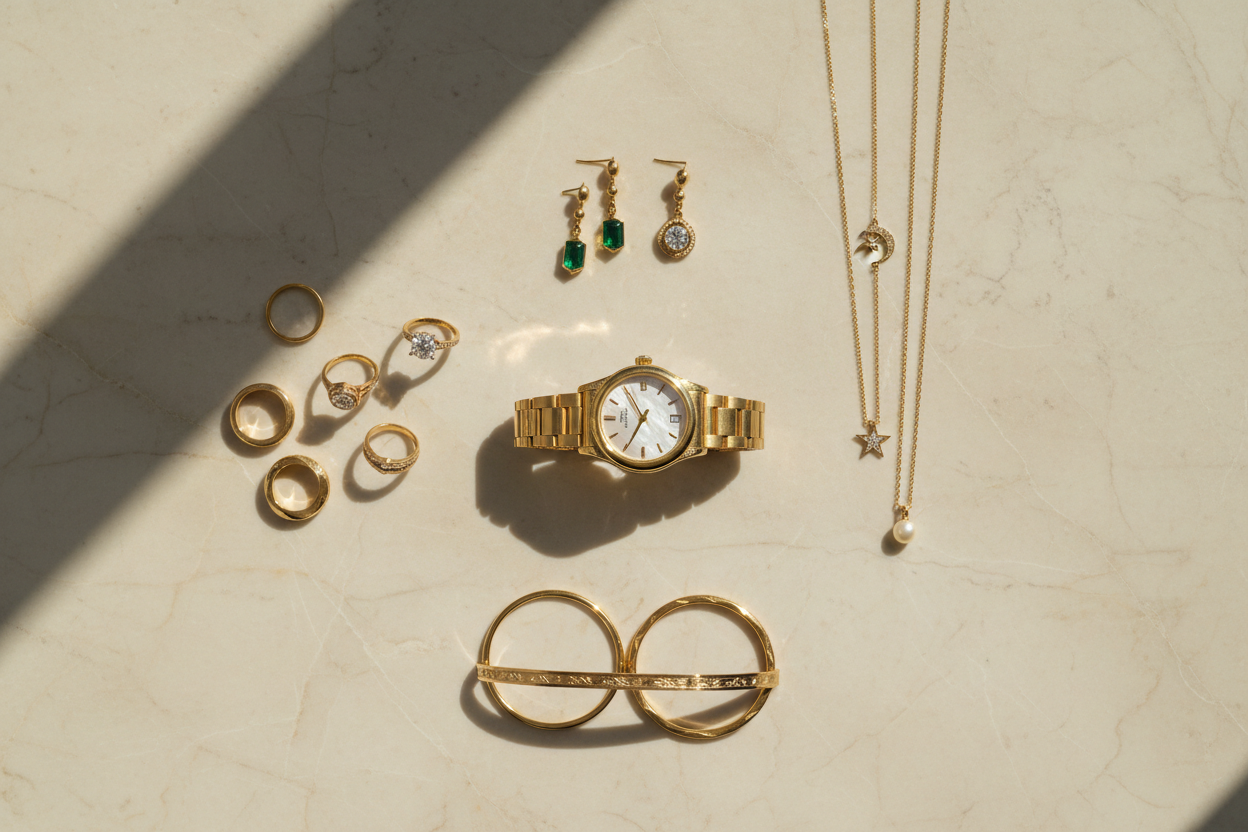
Everyday Jewelry Essentials Every Woman Should Own
A complete guide to the everyday jewelry essentials every woman should own, with styling tips and advice on building a timeless capsule jewelry wardrobe.
Read more